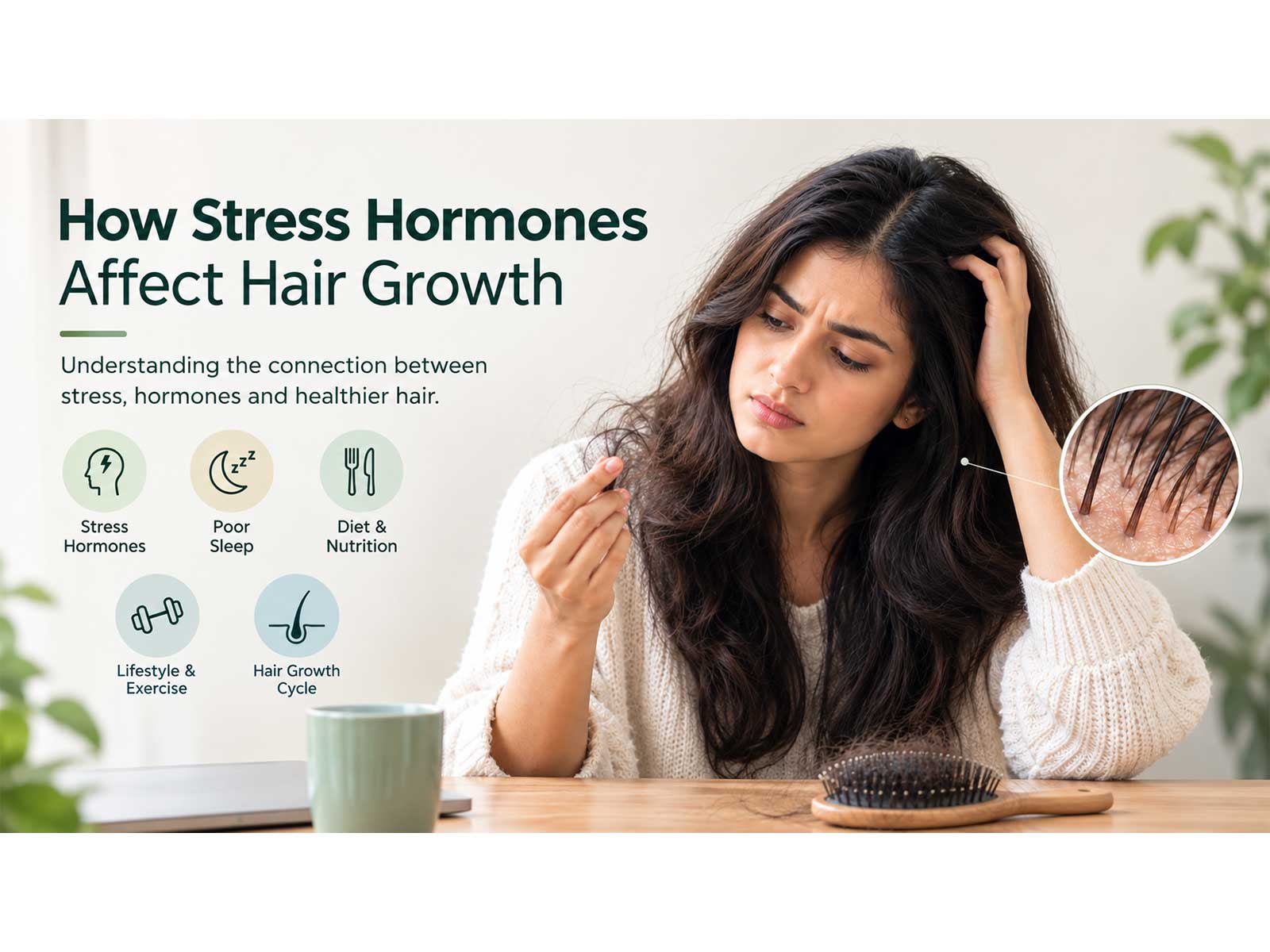
How Stress Hormones Affect Hair Growth
Sep 30, 2026
PNN
New Delhi [India], September 30: Work pressure, long travel hours, family duties, poor sleep, and constant phone use can make stress a part of daily life. A little stress is normal. But when stress continues for weeks or months, it can affect the body in different ways.
One change some people notice is increased hair fall. There may be more hair on the pillow, in the shower, or on the comb. Seeing this can create even more stress. There is a connection between stress hormones and hair growth. Long periods of stress may affect the normal hair growth cycle and lead to increased shedding in some people.
But stress is not the only cause of hair fall. Food, sleep, genes, age, hormones, health problems, and hair-care habits can also play a role. Understanding these factors can help you take the right steps instead of looking for a quick solution.
Quick Highlights
- Long-term stress may affect the normal hair cycle and increase shedding in some people.
- Cortisol is one of the main hormones involved in the body's response to stress.
- Stress-related hair shedding may appear some time after a difficult or stressful period.
- Poor sleep and unhealthy food habits can make it harder to maintain healthy hair.
- Better sleep, nutrition, exercise, and stress management can support overall hair wellness.
What Happens to Your Body When You Are Stressed?
Stress is the body's natural response to pressure. Imagine that you have an important meeting in a few minutes. Your heart may beat faster. You become more alert and focused. Your body prepares itself to handle the situation.
This short period of stress is normal. Problems may begin when stress continues every day. Work deadlines, financial worries, family problems, poor sleep, illness, or long travel hours can keep the body under pressure.
When you are stressed, your body releases hormones. One of the best-known stress hormones is cortisol. Your body needs cortisol. But long periods of stress may affect sleep, eating habits, mood, and other normal body functions. Hair may also be affected in some people.
How Do Stress Hormones Affect Hair Growth?
Your hair follows a natural cycle. Each hair grows for a period of time. It then enters a resting stage before eventually falling out. New hair can then begin growing from the follicle.
Significant physical or emotional stress can sometimes disturb this normal cycle. More hairs may move into the resting stage at around the same time. This can lead to increased shedding later.
The important point is that hair may not start falling immediately after a stressful event. It may take some time before the extra shedding becomes noticeable. This is why people do not always connect their hair fall with a stressful period they experienced earlier.
What Does Cortisol Have to Do With Hair?
Cortisol is often called the stress hormone. It is not a harmful hormone by itself. Your body naturally makes cortisol, and it has several important jobs.
The concern is long-lasting stress. Research has looked at how ongoing stress and stress hormones may affect hair follicles and the normal hair cycle. However, hair loss is complex. It would be wrong to say that cortisol is responsible for every case of hair fall. Stress should be seen as one possible factor along with nutrition, genetics, hormones, health, and lifestyle.
What Does Stress-Related Hair Fall Look Like?
Stress-related shedding may be noticed across the scalp rather than in one small area. You may find more hair than usual while washing or brushing. You may also notice extra strands on your pillow, clothes, or bathroom floor.
There may have been a stressful event before the increased shedding started. This could include a difficult period at work, an illness, emotional stress, poor sleep, or another major life change. However, these signs alone cannot confirm that stress is causing your hair loss. If hair fall becomes heavy or continues for a long time, speak with a dermatologist.
Poor Sleep Can Add to the Problem
Stress and sleep are closely connected. When you are stressed, you may find it harder to sleep. When you do not sleep properly, you may feel more stressed the next day. This cycle can also affect your daily habits.
You may skip exercise, eat poorly, drink too much coffee, or feel too tired to prepare healthy meals. Try to sleep and wake at similar times each day. Reduce phone use before bed and create a quiet sleeping space when possible. Good sleep does not directly fix hair loss, but it supports your overall health and can make stress easier to manage.
Stress Can Change Your Eating Habits
A stressful day can easily affect the way you eat. You may skip breakfast because you are running late. Lunch may be delayed because of meetings. By evening, packaged snacks or fast food may feel easier than preparing a balanced meal.
When this happens regularly, your body may not get all the nutrients it needs. Hair health depends on good overall nutrition. Protein is important because hair is mainly made of a protein called keratin. Nutrients such as iron, zinc, vitamin D, and biotin also have important jobs in the body.
Try to include protein-rich foods such as eggs, dal, beans, curd, paneer, milk, soy, fish, or chicken based on your food preferences. Fruits, vegetables, nuts, seeds, and whole grains can help make meals more balanced.
Where Does Biotin Fit Into a Hair Wellness Routine?
Biotin is also known as vitamin B7. It helps the body use nutrients from food and supports normal keratin production. Keratin is an important part of hair, so getting enough biotin is part of normal nutrition.
However, taking more biotin does not automatically mean faster hair growth. Biotin also does not remove stress or directly solve stress-related hair fall. It may be considered when there is a nutritional need or when extra nutritional support has been recommended.
For people considering nutritional support for their hair, a biotin supplement can be included as part of a wider hair wellness routine when suitable. Zeroharm Biotin 5000 mcg is a high-strength biotin option. It should be viewed as nutritional support rather than a replacement for healthy food, enough sleep, stress management, and proper hair care.
High-dose biotin can also affect the results of certain blood tests. If you take biotin regularly, tell your doctor before having blood tests. Professional guidance can also help you understand whether a high-strength supplement is suitable for your needs.
Simple Ways to Manage Stress and Support Hair Health
Managing stress does not require a complicated routine. Start with changes that are easy to follow.
Regular walking or another form of exercise can support physical and mental wellbeing. Take short breaks during long working hours instead of sitting continuously for many hours. Make sleep a priority and try to eat meals at regular times.
Also take care of your hair gently. Avoid very tight ponytails, buns, or braids that pull on the roots. Reduce frequent use of straighteners, curling tools, and very hot hair dryers. Do not rub wet hair aggressively with a towel. Use a wide-tooth comb when needed and work through knots gently.
When Should You Speak to a Doctor?
- Some daily hair shedding is normal, but sudden or heavy hair fall should not be ignored.
- Pay attention if hair fall continues for several months or leads to visible bald patches.
- Scalp pain, sores, severe itching, sudden weight changes, or unusual tiredness may need further attention.
- Diet, stress, medicines, family history, and overall health can all help explain the possible cause.
- Finding the reason behind hair fall is more useful than repeatedly changing shampoos, oils, or supplements.
Final Thoughts
The connection between stress hormones and hair growth is important, but stress is only one part of the picture. Long periods of stress may disturb the normal hair cycle and increase shedding in some people. Stress may also affect sleep, food choices, exercise, and other habits that support healthy hair.
Start with simple changes. Eat balanced meals, get enough sleep, stay active, manage everyday stress, and treat your hair gently. A natural, plant-based biotin supplement may provide nutritional support when appropriate, but it cannot replace these basic habits.
Most importantly, do not assume that stress is always responsible for hair fall. If shedding becomes sudden, severe, patchy, or continues for a long time, speak with a dermatologist or qualified healthcare professional to understand the cause.
(ADVERTORIAL DISCLAIMER: The above press release has been provided by PNN. ANI will not be responsible in any way for the content of the same.)